पुष्टिमार्ग एवं पंचम पीठ का इतिहास
SACRED HISTORY & CHRONOLOGY
The divine path of Pushtimarg was revealed by Jagadguru Shrimad Vallabhacharya Mahaprabhuji during the 15th century. It is the path of pure non-dualism (Shuddhadvaita) where devotees surrender completely to the grace (Pushti) of Shri Krishna.
Following Mahaprabhuji, his divine second son Shri Vitthalnathji Gusainji organized the sacred Ashtachhapa poets, enriched Haveli Sangeet, and entrusted seven eternal Nidhi Swaroops to his seven sons, giving rise to the Sapta Peeth of Pushtimarg.
श्रीमद् वल्लभाचार्य महाप्रभु प्राकट्य
Appearance of Shri Vallabhacharya
Shri Vallabhacharya manifested at Champaranya, Chhattisgarh, founding the Pushtimarg tradition of divine grace.
श्री विठ्ठलनाथजी (श्री गुसाईंजी) प्राकट्य
Appearance of Shri Gusainji
Shri Vitthalnathji (Shri Gusainji) systematized Pushtimarg seva and enriched it with classical ragas, art, and elaborate rituals.
श्री रघुनाथजी प्राकट्य (पंचम पीठ संस्थापक)
Appearance of Shri Raghunathji
The fifth son of Shri Gusainji, founder of Pancham Peeth entrusted with the sacred seva of Shri Gokulchandramaji.
सप्तपीठ एवं निधि स्वरूप स्थापना
Establishment of Sapta Peeth
Shri Gusainji distributed seven divine Nidhi Swaroops among his seven sons, establishing seven sacred seats.
कामवन (कामवन) आगमन एवं हवेली स्थापना
Arrival at Kamvan & Haveli Establishment
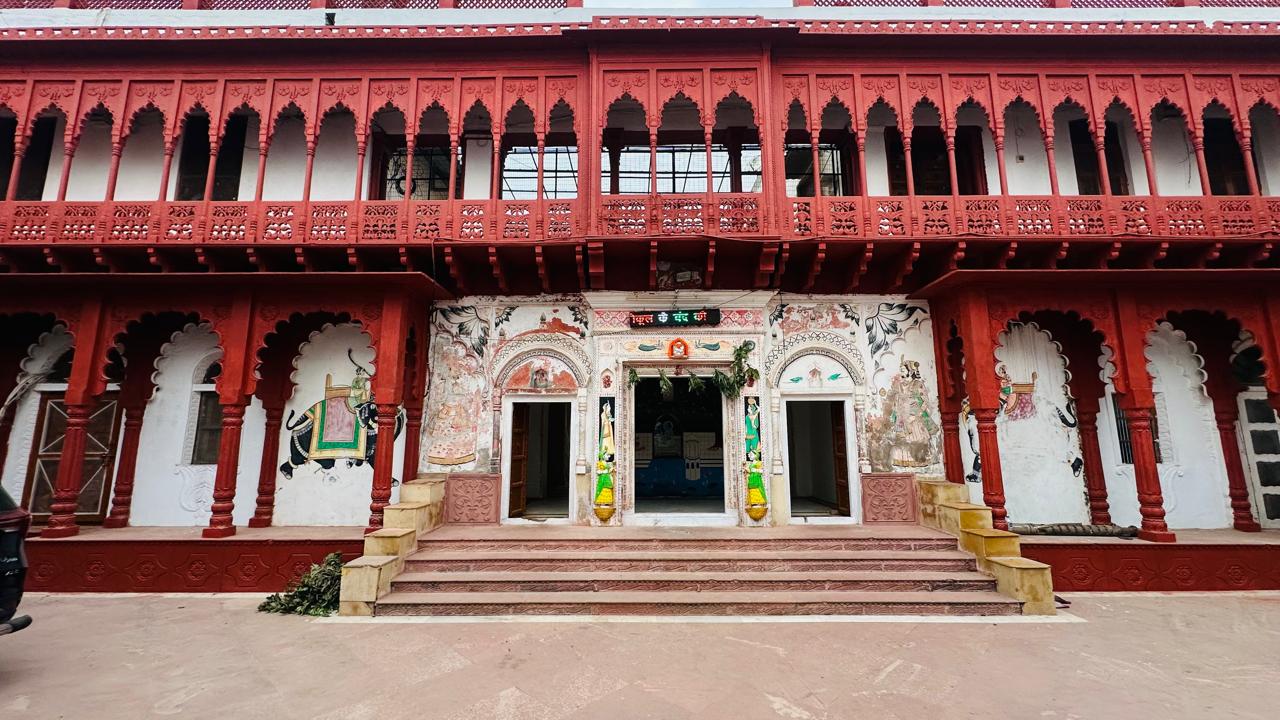
Shri Gokulchandramaji arrived at sacred Kamvan in Rajasthan, establishing Pancham Peeth Haveli.
श्रीगोकुलचंद्रमाजी एवं पंचम पीठ की स्थापना
Establishment of Shri Gokulchandramaji Haveli
On Shravan Shukla Ekadashi, Shrimad Vallabhacharya Mahaprabhuji received the divine Brahmasambandh mantra directly from Lord Krishna in Gokul. Later, Shri Gusainji entrusted the divine Nidhi Swaroop of Shri Gokulchandramaji to his fifth son, Shri Raghunathji.
Over centuries, Shri Gokulchandramaji graced Gokul and Vrindavan before arriving in Kamvan, Rajasthan, which is venerated in the Shrimad Bhagavat as Adi Vrindavan due to its sacred connection to Lord Krishna's childhood leelas.